
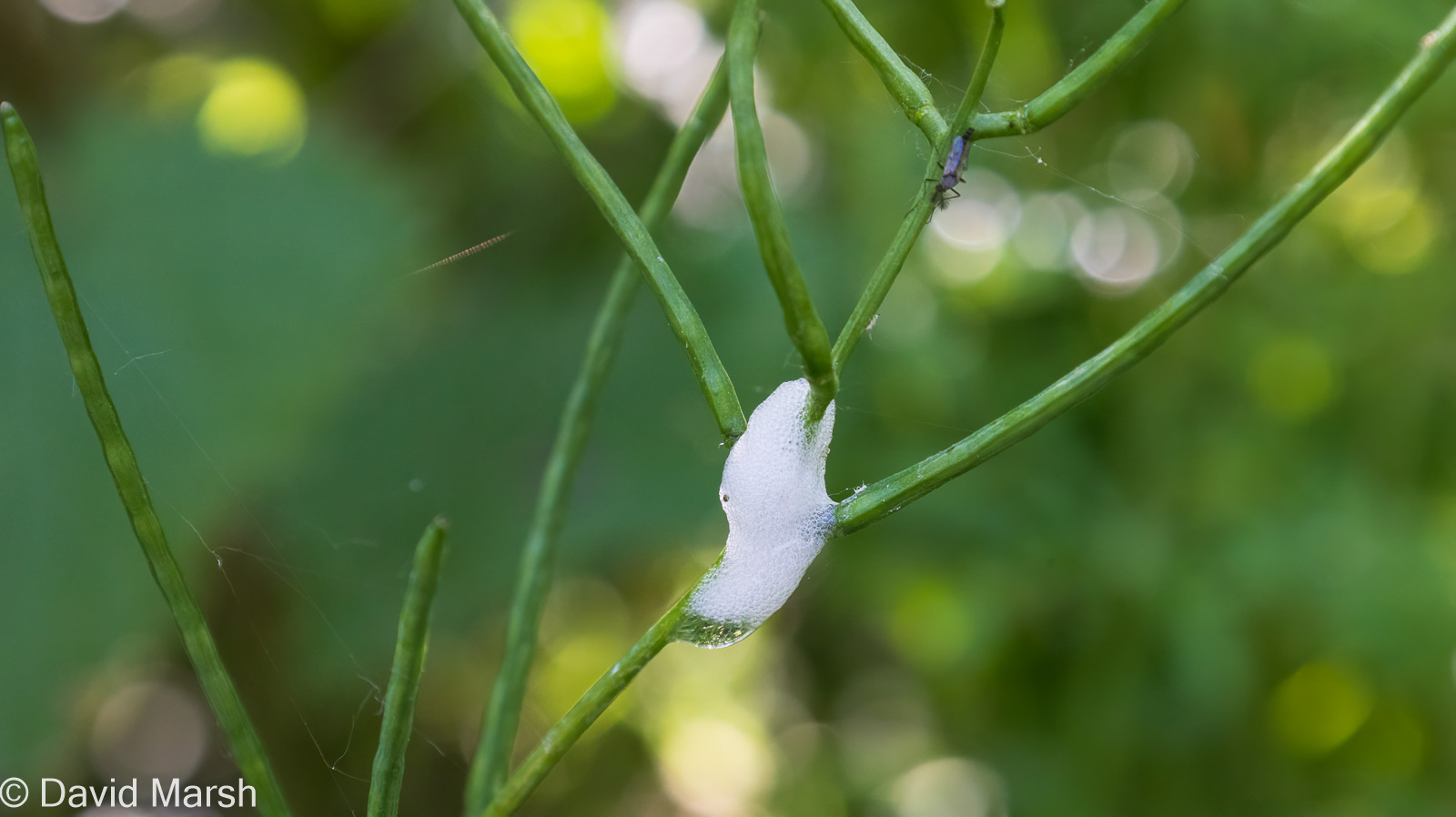
We heard at least two cuckoos today. And in the morning I had read a Twitter thread by @Naturalcalendar all about cuckoo spit. When one of us fell over right by some cuckoo spit, and a wasp, it seemd a good idea to pass on the anal details. Pictures first.
ichneumon wasp, possibly Lissonota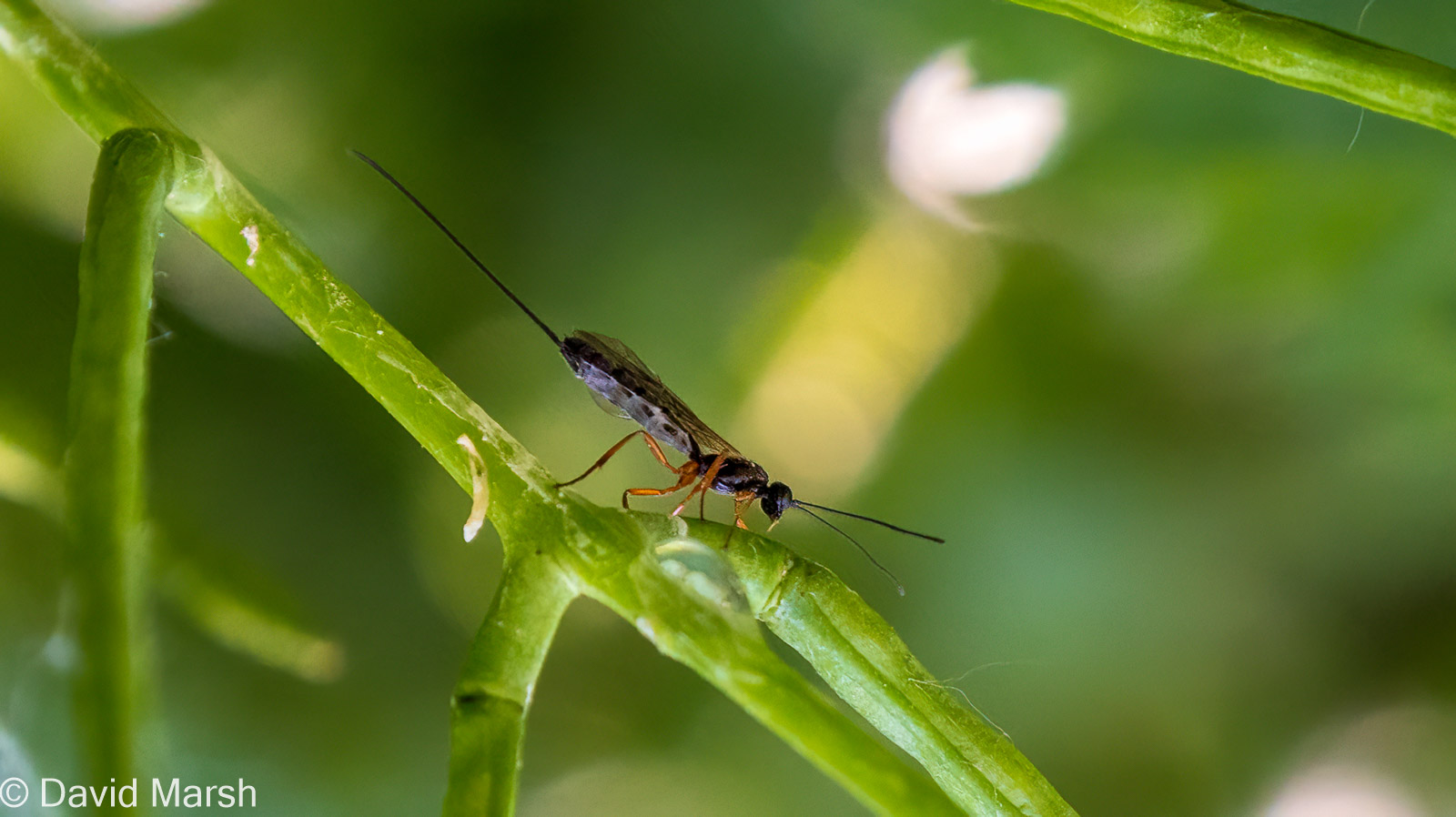
Cuckoo spit is produced by the nymphs of froghoppers.
They feed on plant sap. But unlike most insects, it’s not from the phloem (pipes that transport the sugar-rich products of photosynthesis around the plant). Instead, it’s from the xylem – the pipes that take really watery fluid up from the ground.
This is excreted out of the nymph’s anus. To stabilise the foam, the insect uses a structure called the Malpighian tubules, which adds sugars and proteins so the bubbles don’t just pop. The froghopper then pushes the end of its abdomen through the foam to the outside, and draws air into a special groove. It puts the abdomen into the xylem liquid and contracts it, expelling bubbles.
It’s a bit like blowing out through a straw… stuck in your bottom! It can cover itself with foam in just 15 minutes this way!
The baby froghopper can survive in the centre of it by breathing from the bubbles (which comes in useful when you’re doing a moult and vulnerable). But they also come up out of it to breathe the outside air.
However, the fact that froghoppers feed on xylem at all is remarkable. Unlike phloem, xylem fluid is under high tension, so any insect wanting to feed on it has to use up a lot of energy to suck it out. They have a special pump, powered by muscles in their head to do this. And because it’s not full of the sugary products of photosynthesis, they have to suck out A LOT to survive.
They will routinely excrete 150–280 times their own body mass in fluid every day!
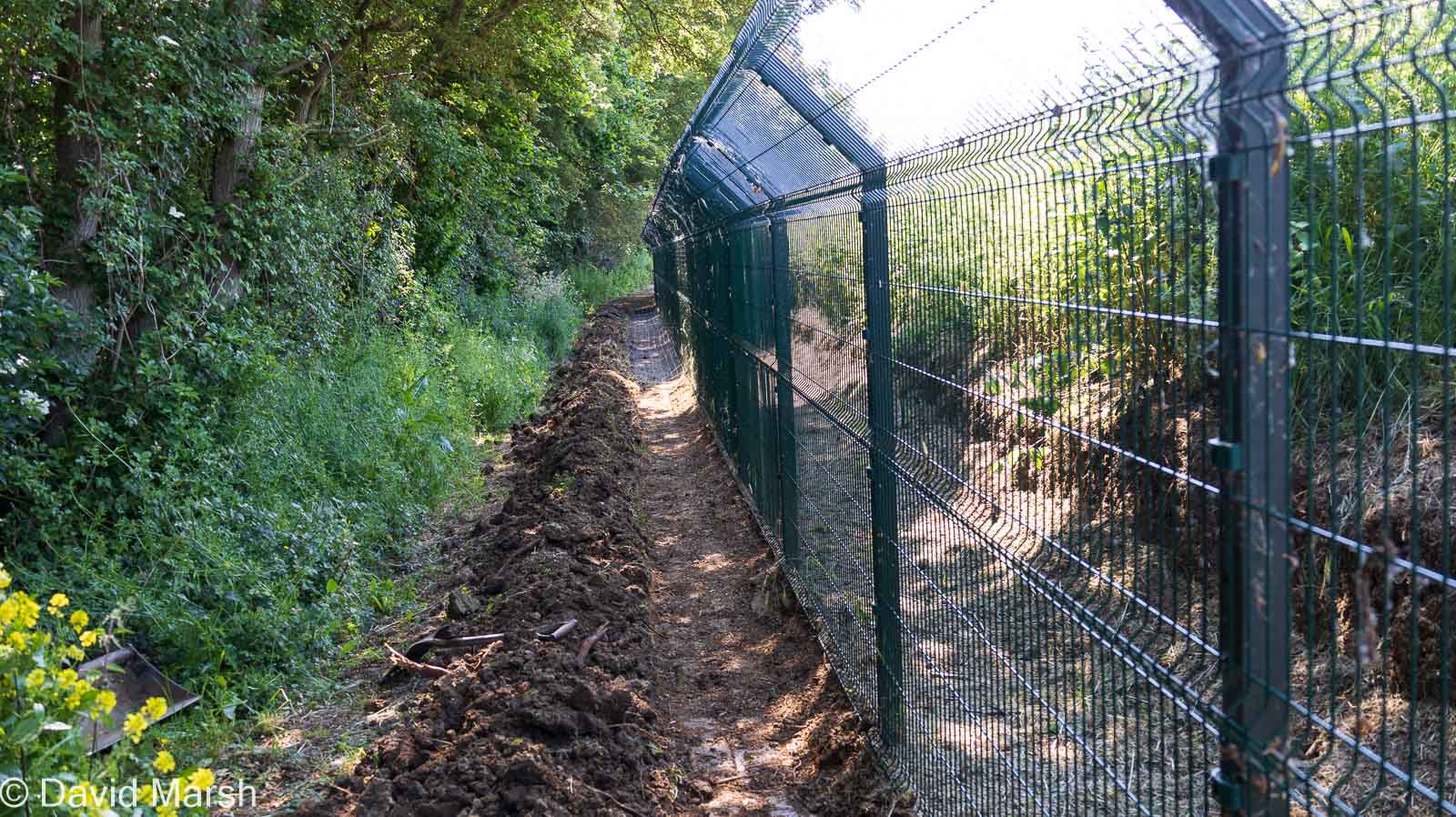
The fall was by the massive length of fencing round one of the Stanton Harcourt fishing lakes. Apparently to keep otters out. I think the man said 1600 posts and 2.5 miles (4km). That implies 2.5m/8ft between posts, which seems about right. Now estimate how much £ per 2.5m section and you see it’s an expensive operation – just to keep the otter out?
Two, maybe three, strange farming practices.
Firework to scare the crows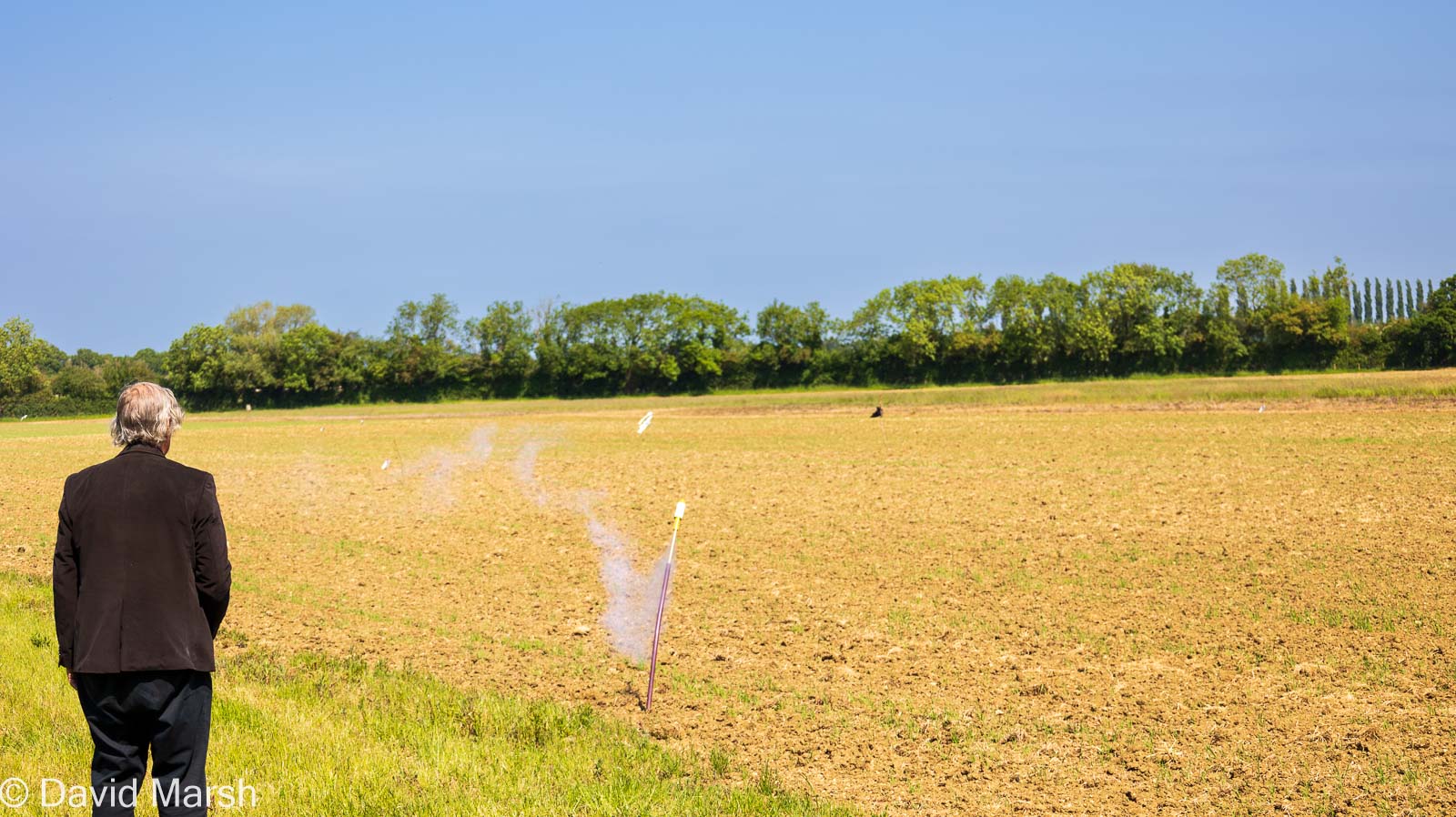
and a very long line of bales along the edge of a field.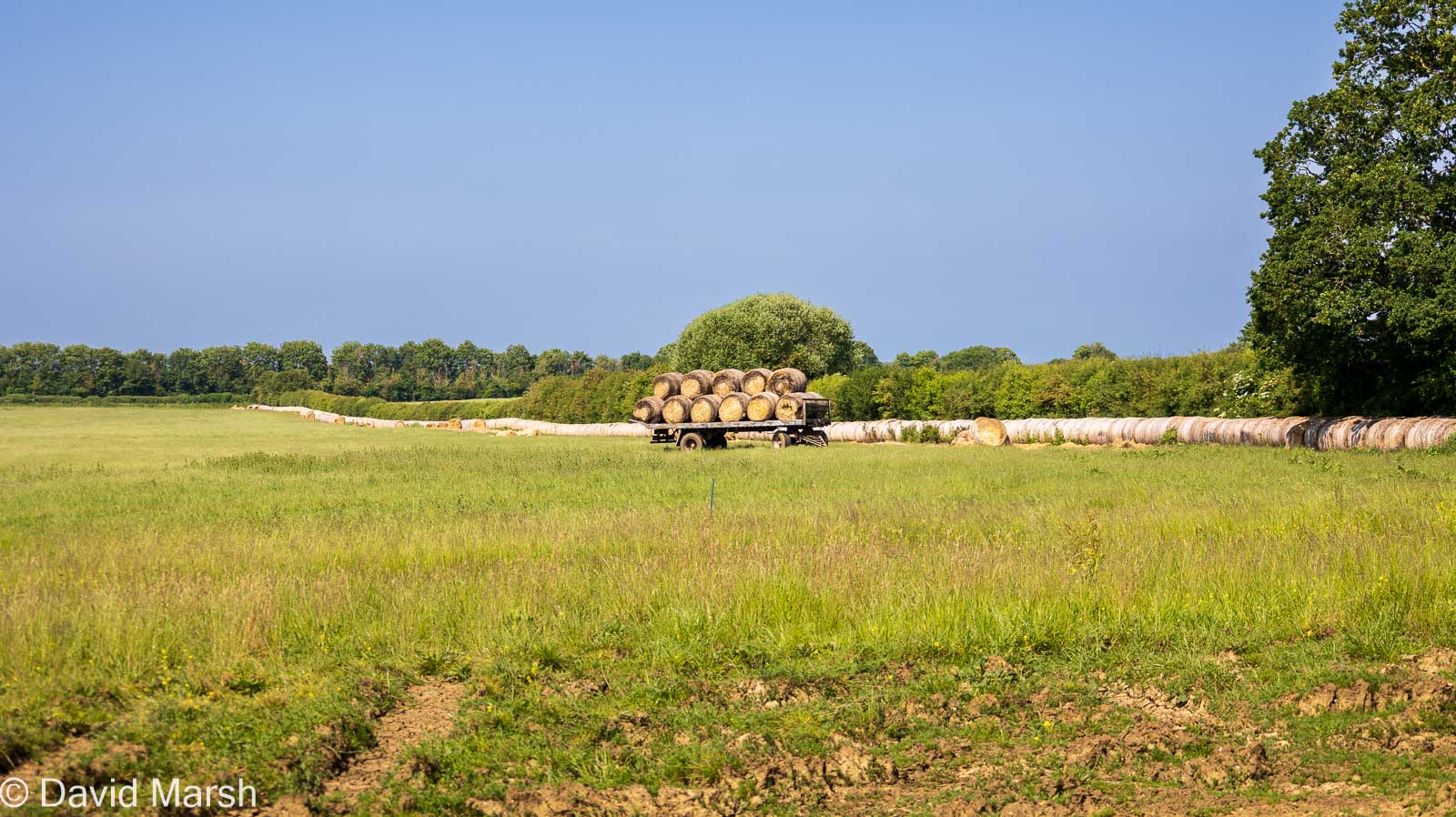
Unkempt sheep, and lamb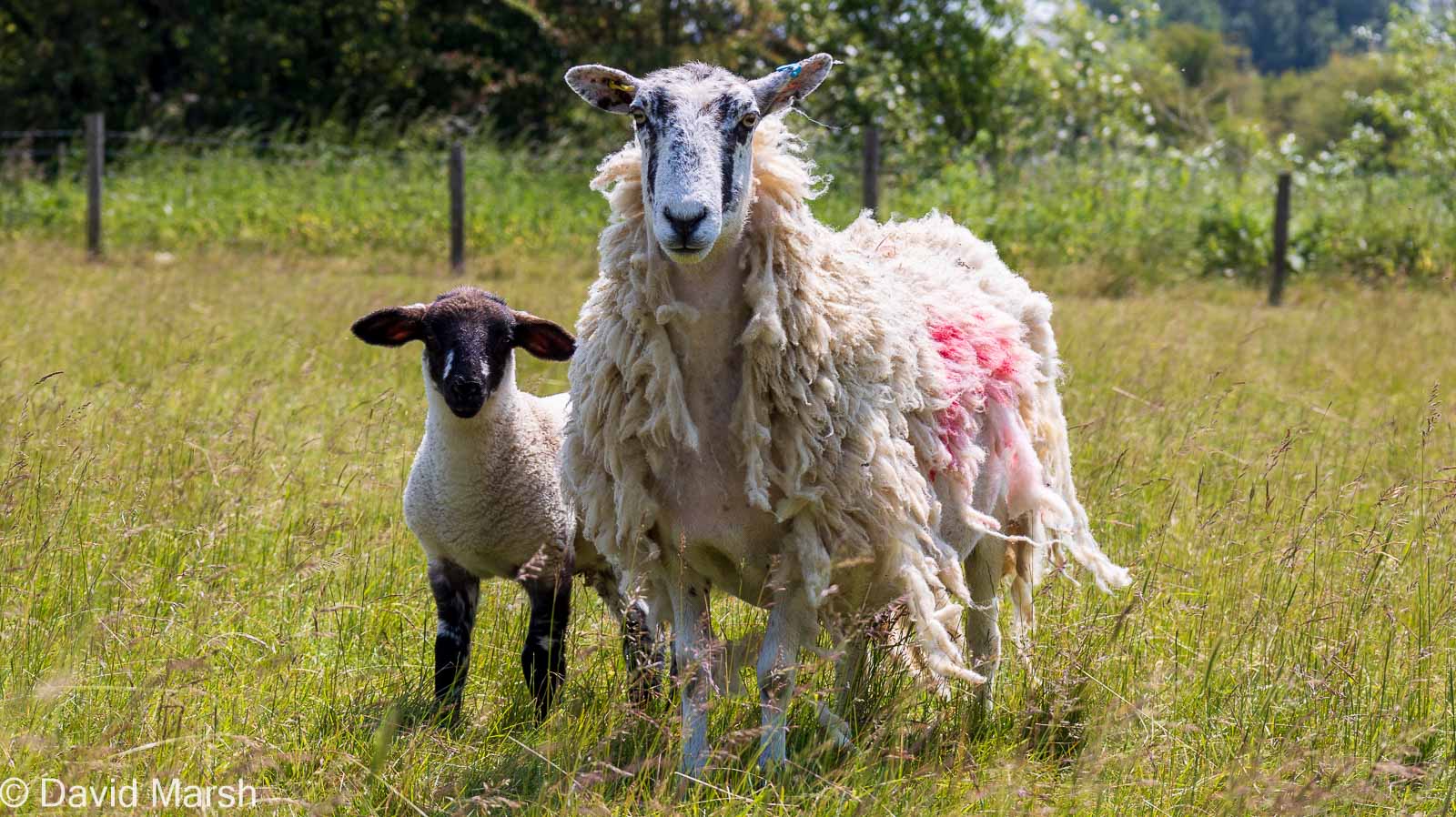
Wild rose, with probably a hoverfly
Convolvulus arvensis, the field bindweed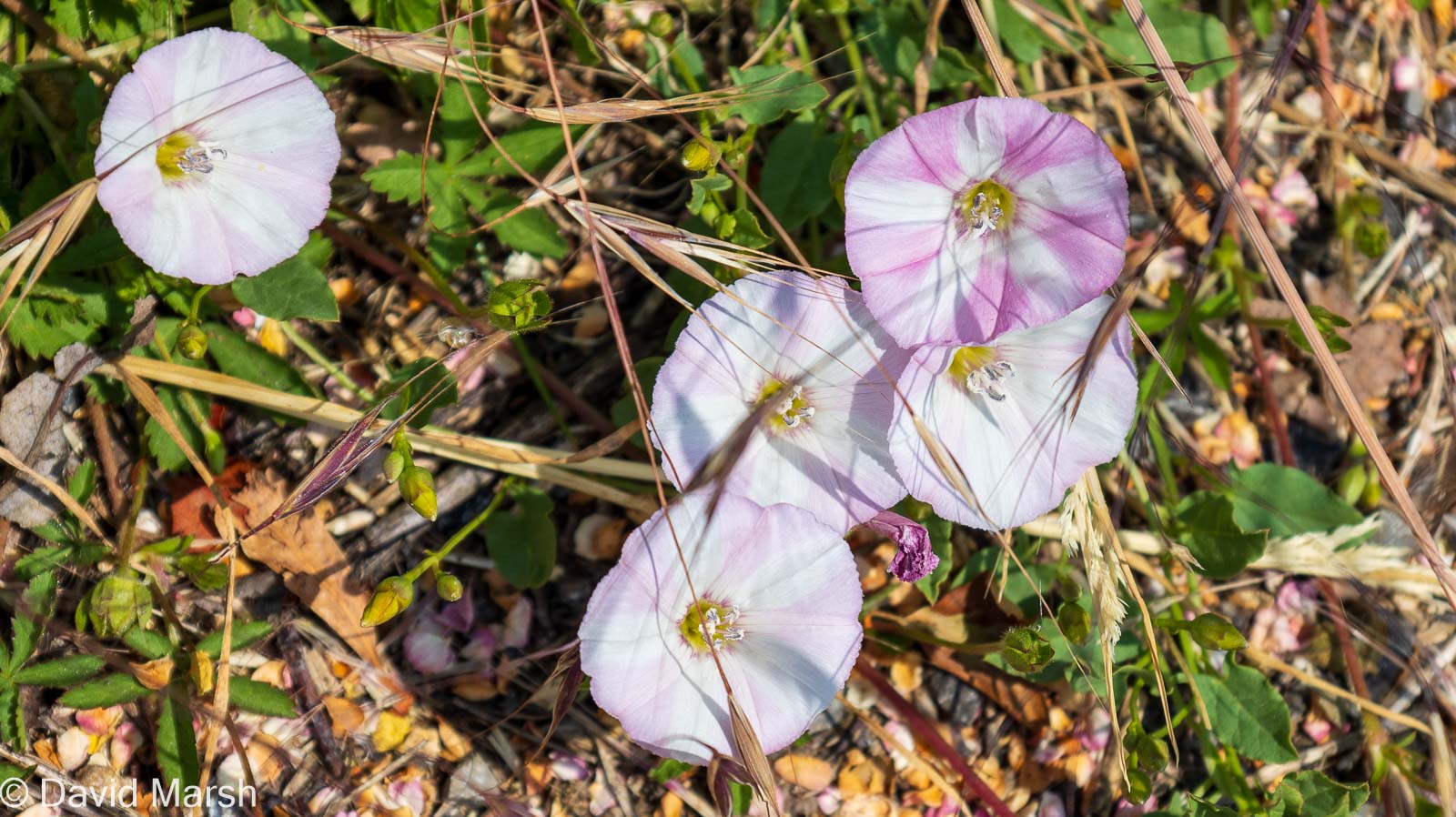
Mayfly. Near the end of its short life.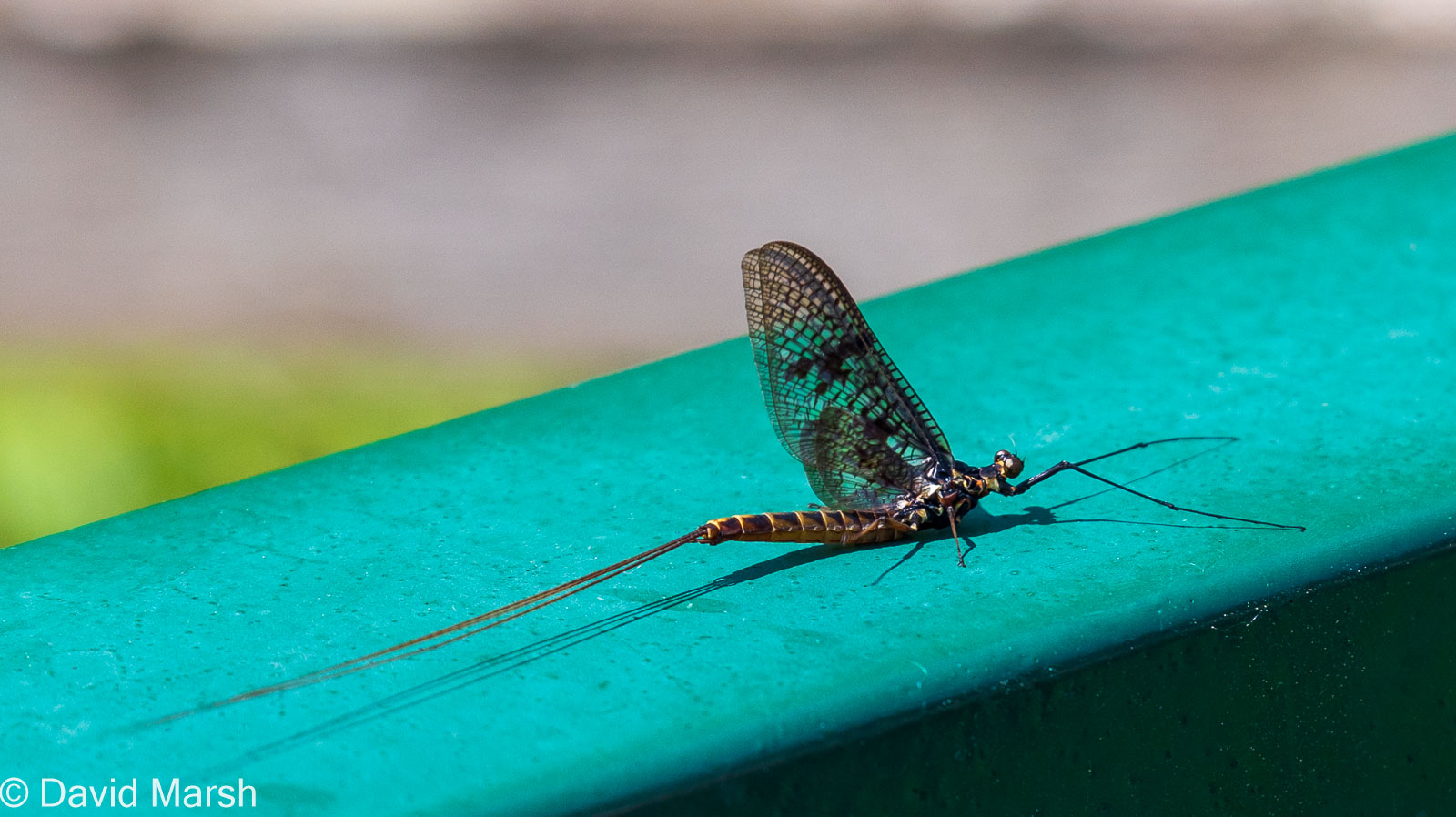
Back to coffee time at Saint Michael’s, Stanton Harcourt, which dates from 1135. The Norman nave and lower parts of the bell tower are certainly 12th century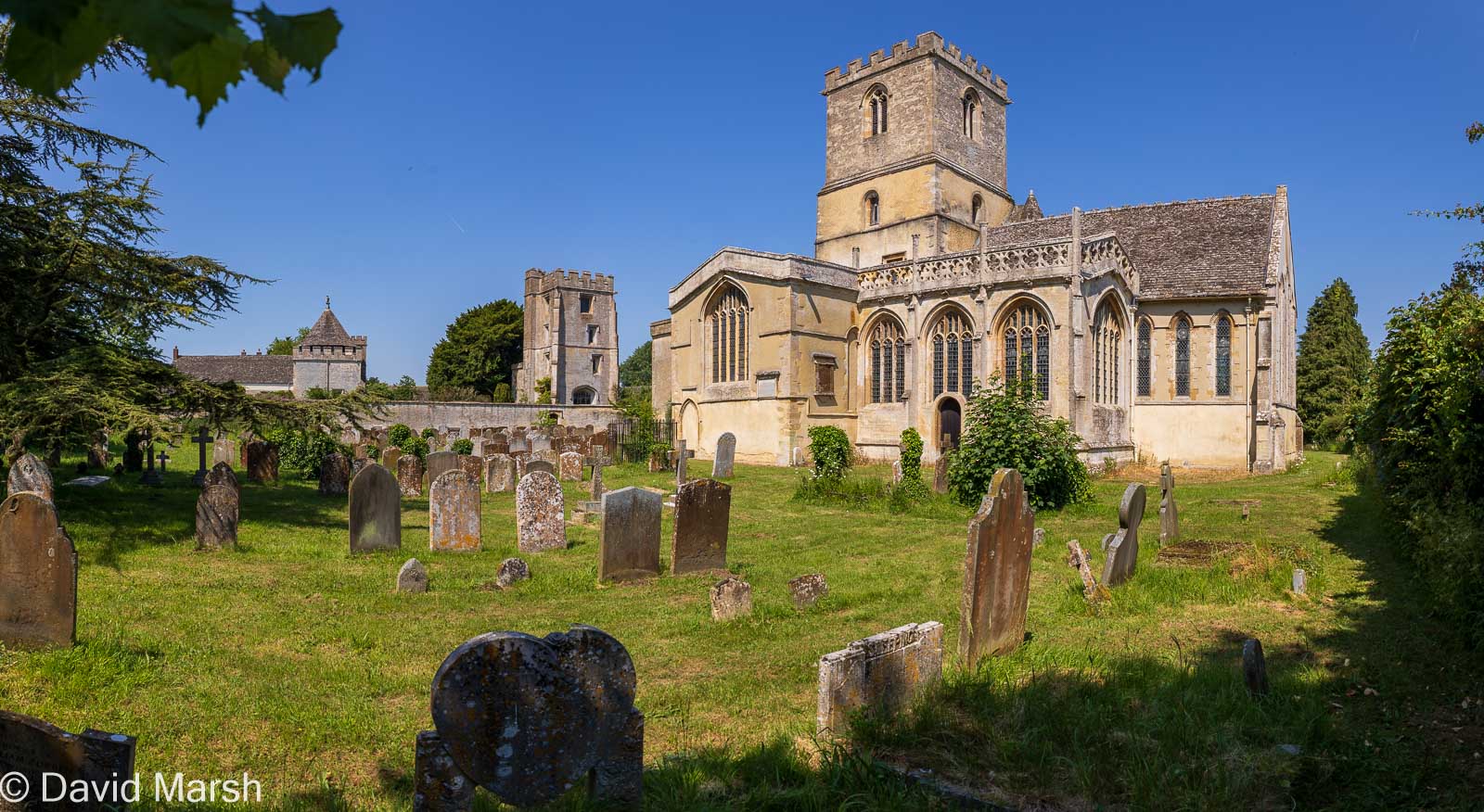
Pope’s Tower, the square one left of the church, in the grounds of Harcourt House was built about 1470–71. The tower acquired its name centuries later, after the poet Alexander Pope stayed here in 1717–18 and used its upper room to translate the fifth volume of Homer’s Iliad.
The other tower is “The Great Kitchen” (of Harcourt House). Pope compared the kitchen to Vulcan’s forge or the cave of the Cyclops Polyphemus.
Here are five of the church doors, ancient and modern.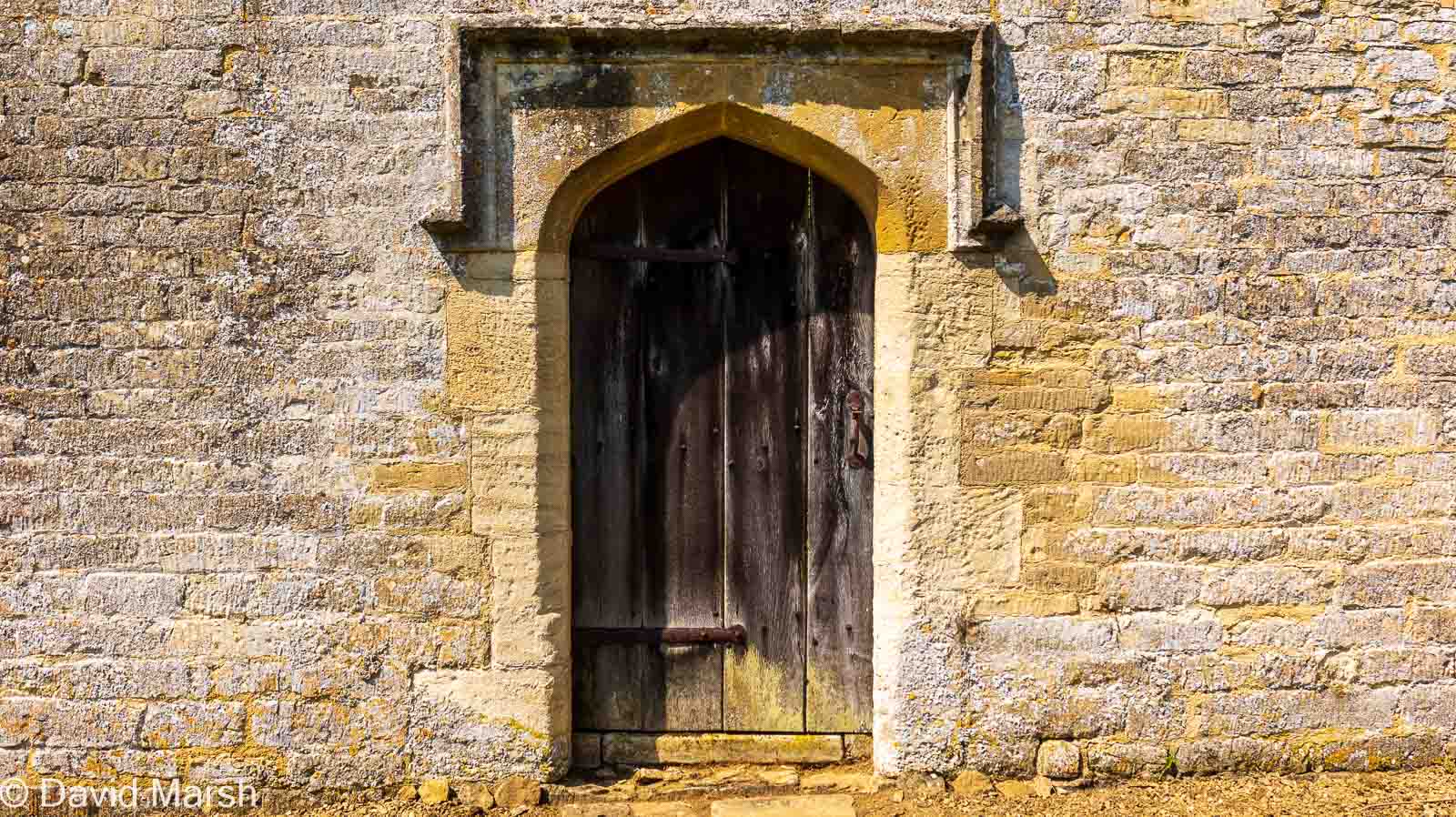
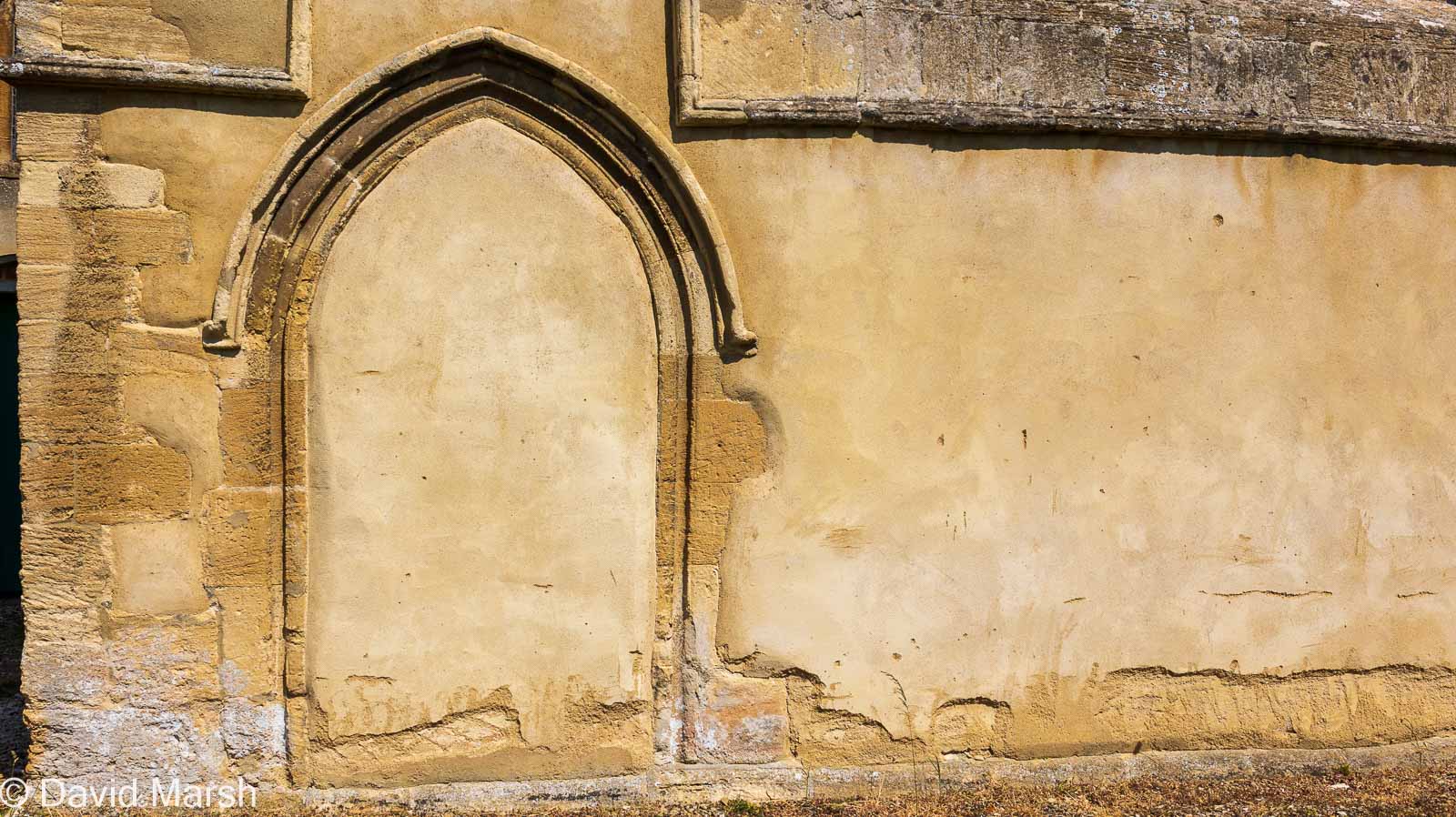
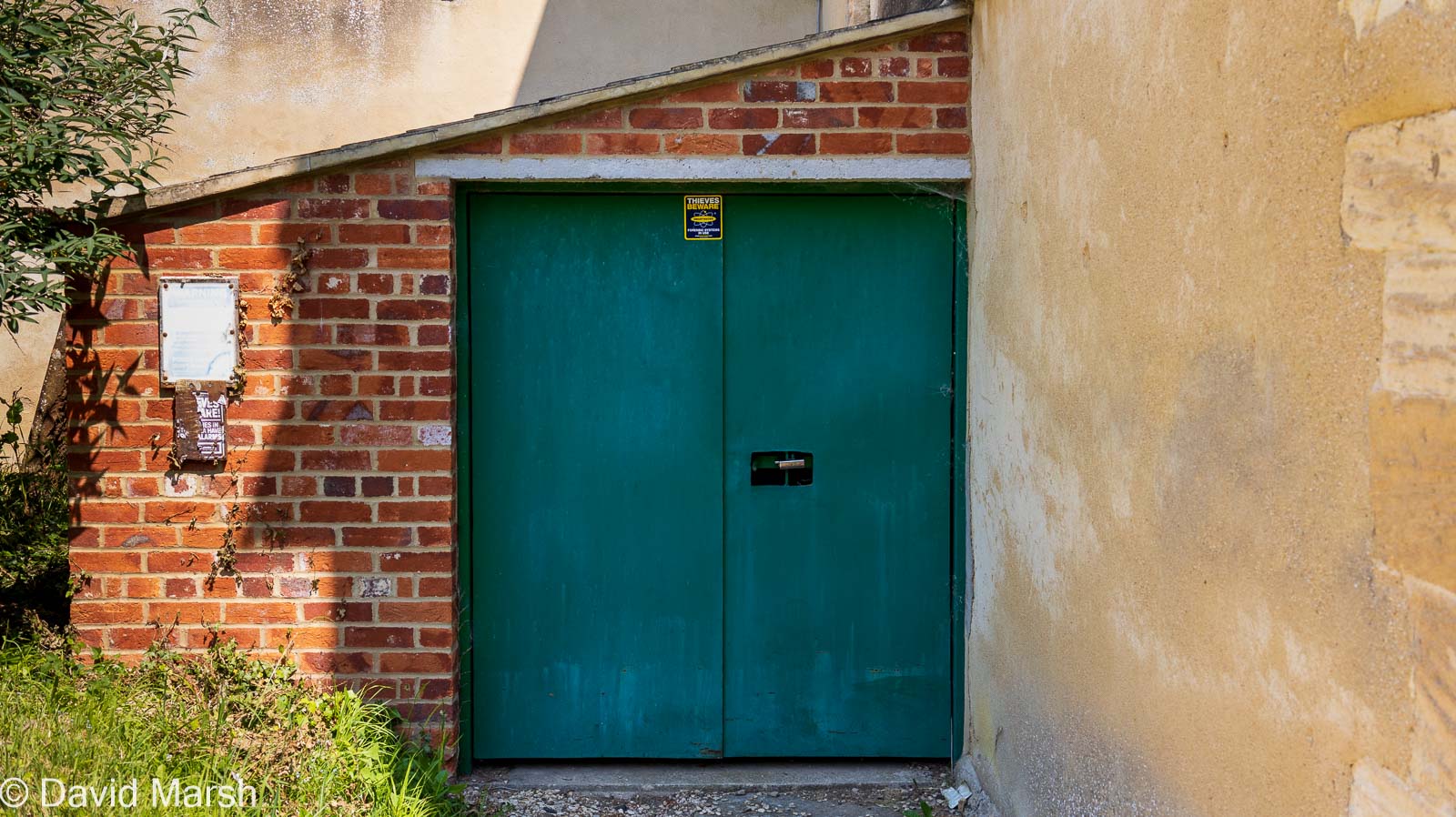
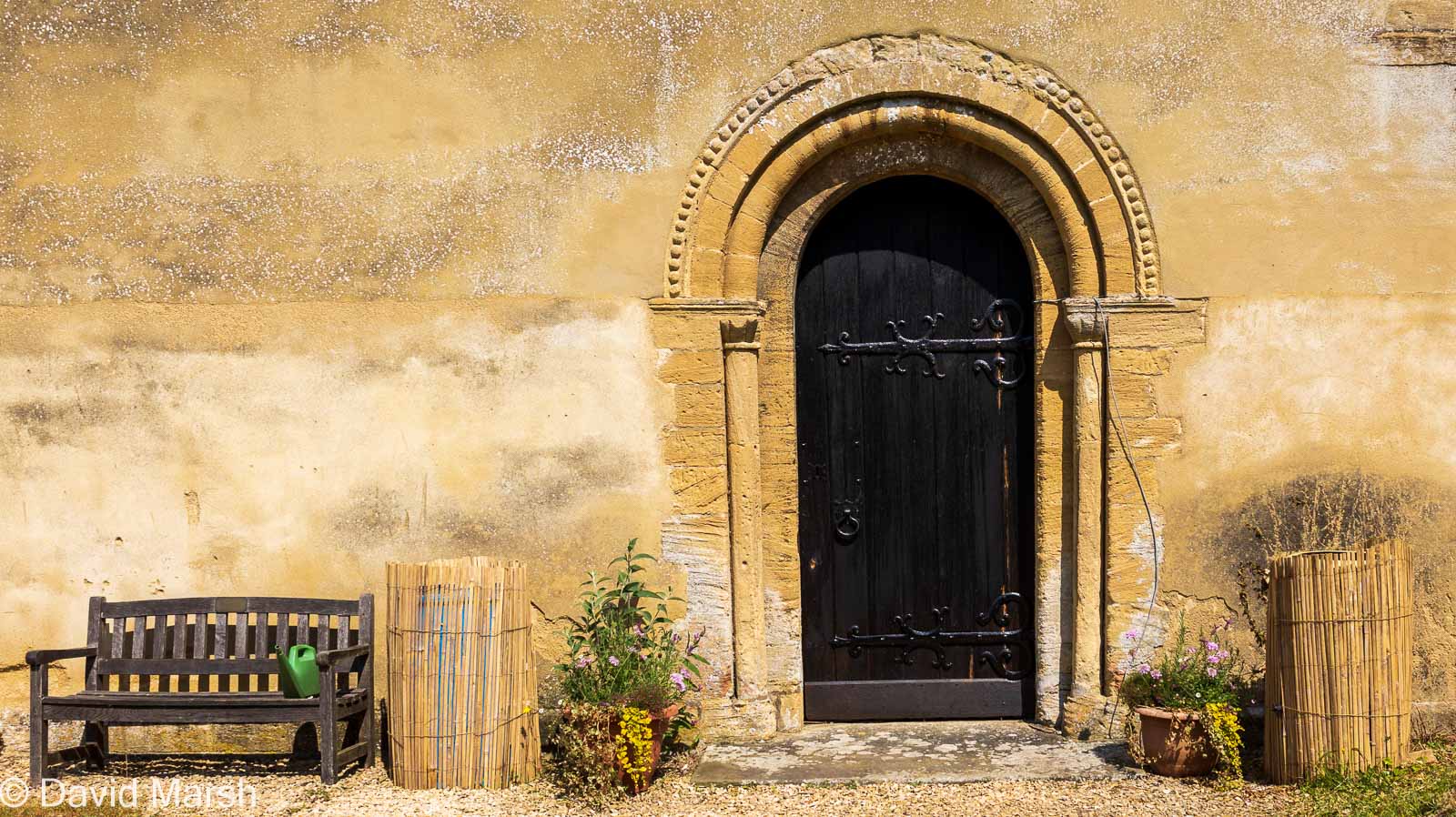
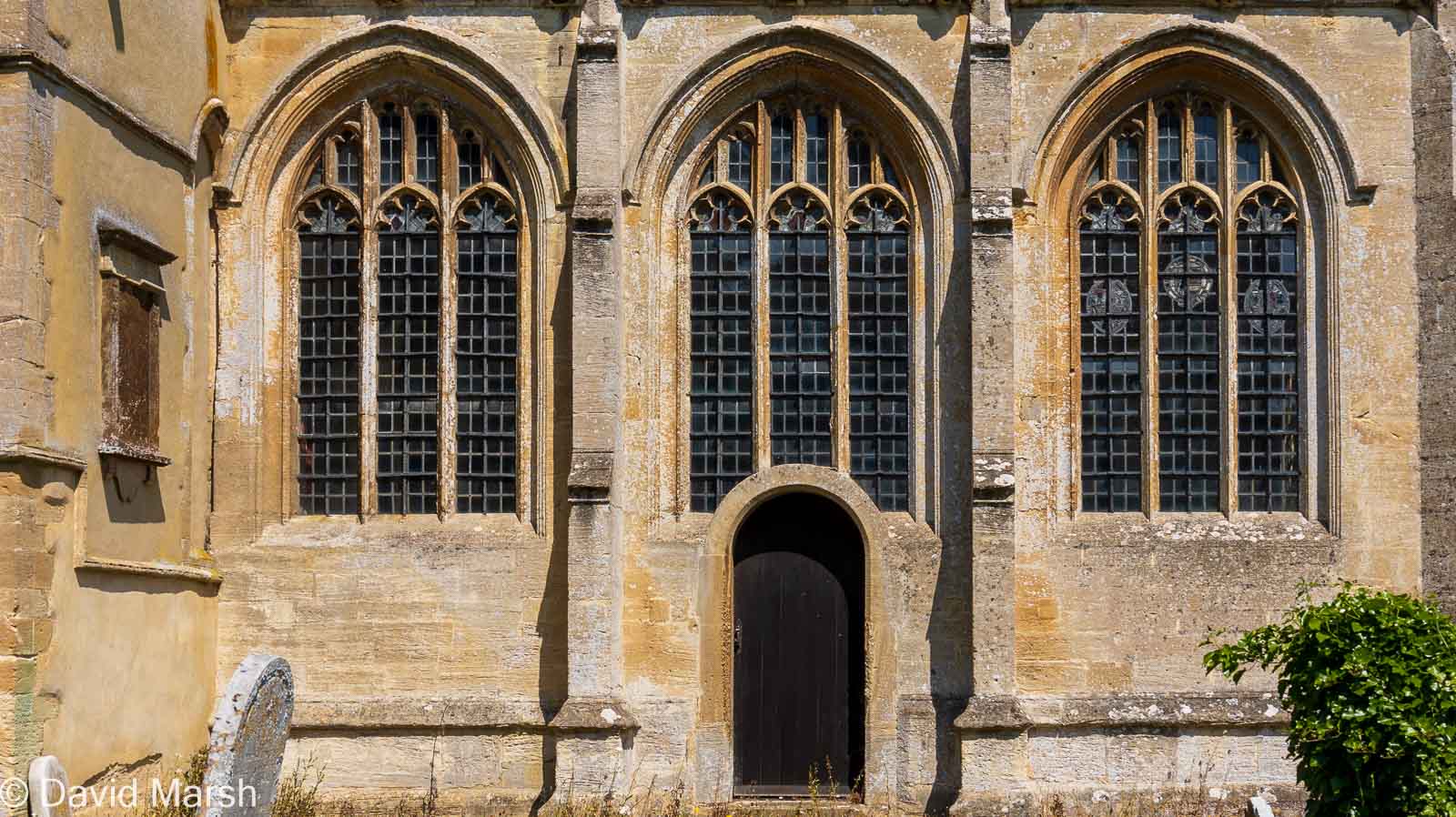
Last time we did this walk was 13 January 2022 – snowdrops!
Select any thumbnail below for a full screen slideshow

5 replies on “Photos from walk on Thursday 8th June from Northmoor to Stanton Harcourt & Bablock Hythe”
Thank you for the lovely photos and interesting biology lesson
Top images as ever. Best tidy up those sheeps before photographing though?
Lovely memories of a wonderful walk. Thank you.
My goodness. There must be a Ph.D going around somewhere about cuckoo spit and froghoppers. Very interesting and once again makes one marvel at nature. How did it all develop? Just look at the life cycle of the large blue butterfly as another example of “how on earth did that happen!”
More about the Otter Fence https://linchhillfishery.com/otter-fence-project